How Our Process Works
- Call And Triage: We gather details, review safety concerns, and set a prompt visit.
- Inspection And Photos: We document visible damage, check hidden trouble spots, and provide a clear summary.
- Temporary Protection: We secure loosened areas to keep out wind and water while parts are sourced.
- Transparent Estimate: You receive a written scope with options that fit your goals and budget range.
- Precise Repair: Our installers replace damaged panels, trim, and flashing, then recaulk and reseal transitions.
- Quality Check: We confirm courses are straight, fasteners are correct, and ventilation paths remain open.
Pro tips while you wait: take your own photos before cleanup, keep any fallen pieces for profile matching, and avoid climbing ladders on wet or icy surfaces. Trimming overhanging branches and keeping gutters clear can also reduce future storm impact.
Home Types And Damage Situations We Handle
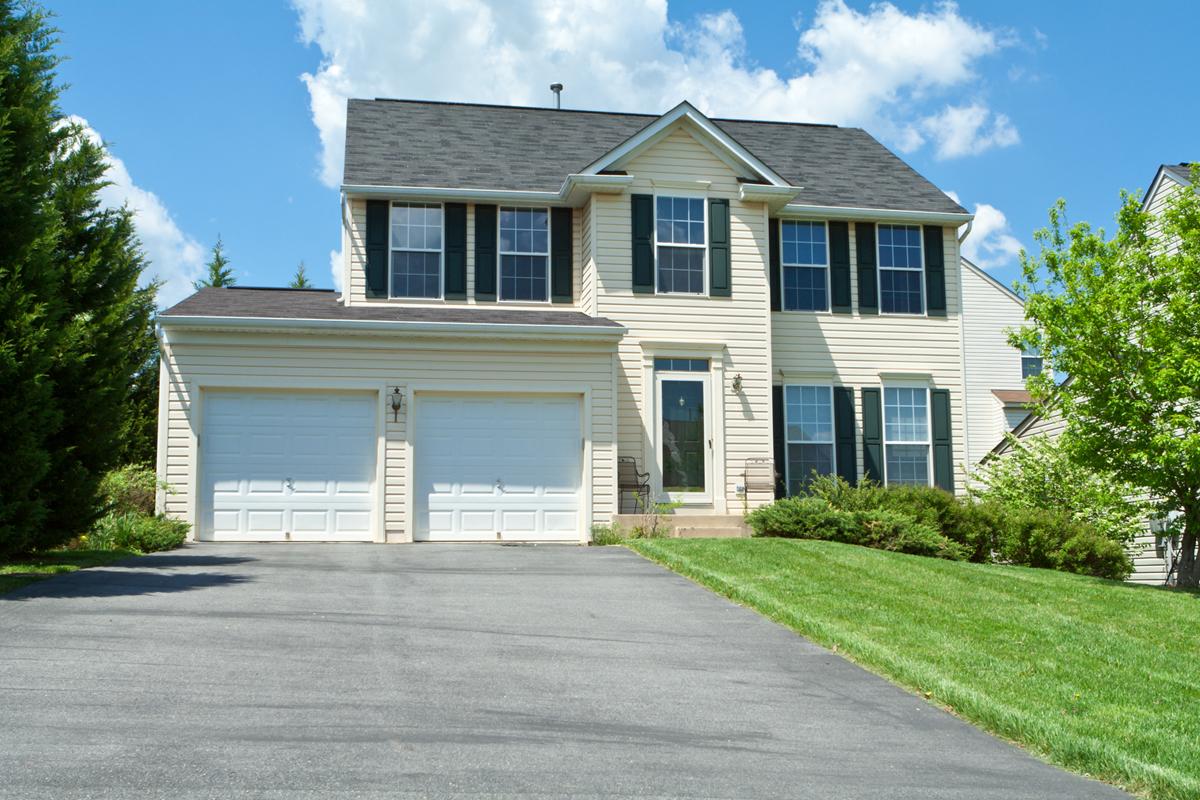
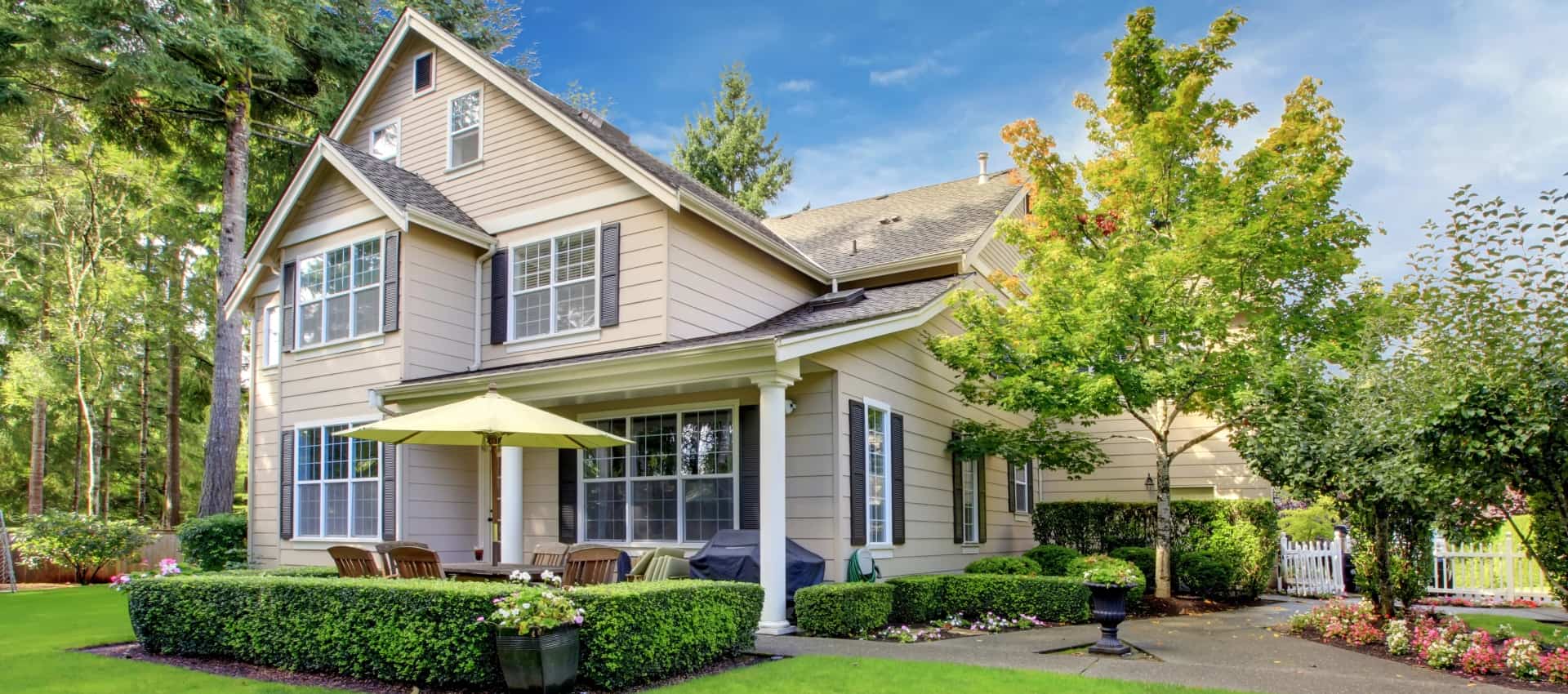
Every home and storm is different. We work on classic two-story colonials, split-levels, townhomes, and new builds with both vinyl and fiber cement siding. Whether your place lost a couple of panels or a full gable took a hit, our installers bring the tools and replacement parts to get it right.
Common project scenarios include isolated vinyl cracks on windward walls, sections of fiber cement with chipped edges from hail, and soffit or fascia pulled loose near rooflines. We also correct issues around windows and doors where wind-driven rain finds the smallest gap.
- Panel reattachment and reseating when wind lift breaks the lock
- Color and profile matching for discontinued lines using tasteful transitions
- Repair of house wrap tears and taping seams to restore the weather barrier
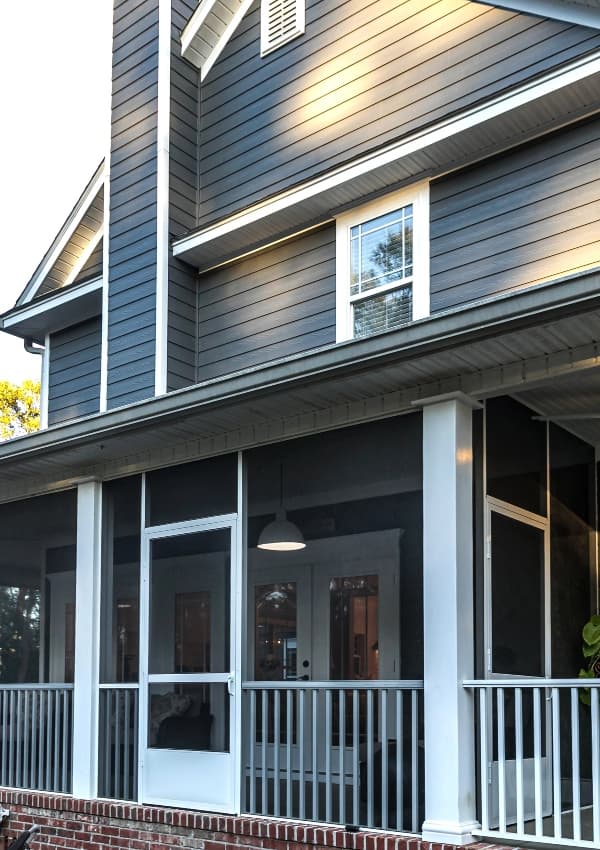
- Soffit, fascia, and trim replacement to secure eaves and keep pests out
- Flashing updates at roof-to-wall intersections to divert water correctly
- Caulking and sealing at penetrations, light blocks, and vents
If the damage is widespread, we may recommend a partial elevation replacement. This often delivers a better long-term seal and a cleaner finish than patching many isolated spots.
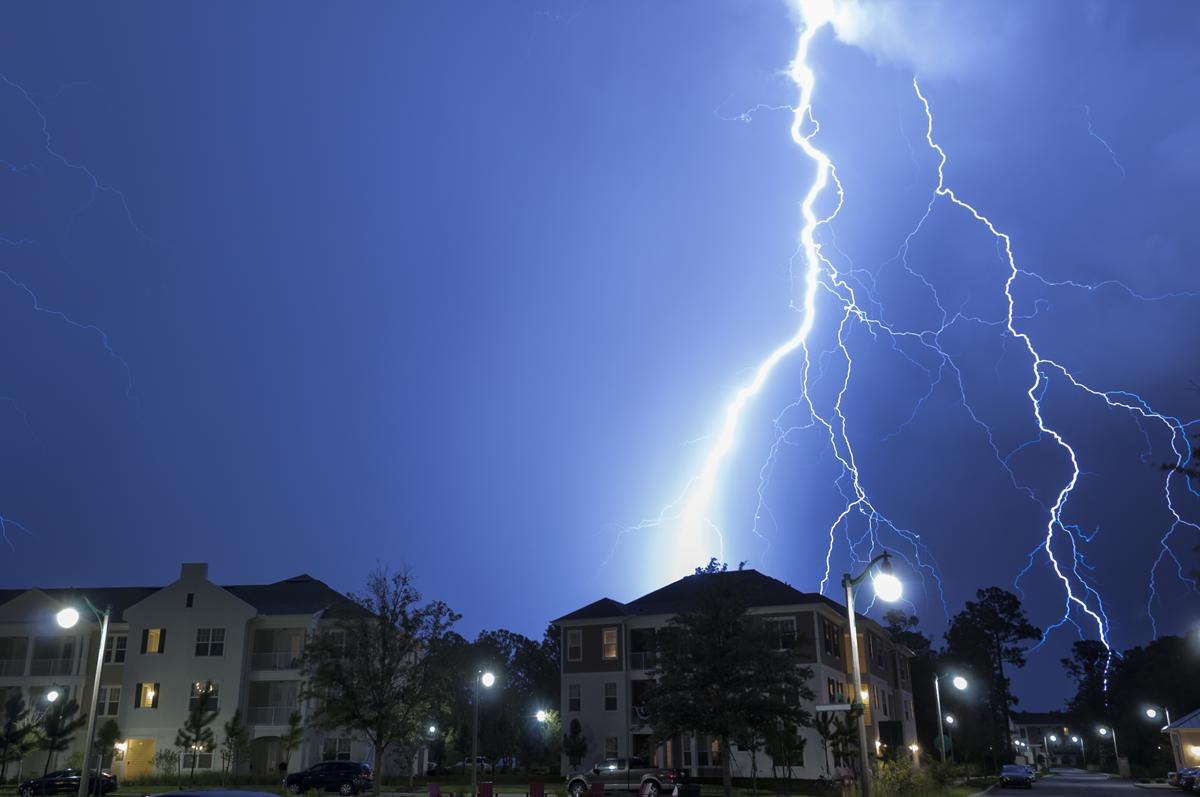
Local tip: In Central Pennsylvania, quick-moving summer storms can push strong crosswinds that loosen panels on gable ends. If you hear rattling after a storm, stay on the ground and call a pro to check for lifted locks before the next rainfall drives water behind the siding.
Regional Factors That Affect Your Siding
Our region sees wide temperature swings, freeze-thaw cycles, and heavy, wind-blown rain during nor'easters. Vinyl can expand and contract, which stresses fasteners if panels are overdriven. Fiber cement resists impact well, but chipped edges and unsealed cuts can still take on moisture. Roofline snow loads and ice can also stress soffits and trim.
Homes near open fields or ridge lines face stronger gusts that test the locking system of horizontal courses. Mature trees help with shade but may drop limbs during storms. We tune our repair approach to these conditions so your exterior stays tight through the seasons.