How Our Step-By-Step Process Works
- Assessment: We check the damaged area and adjoining walls for water paths, soft spots, and failed caulking.
- Plan & Match: We confirm profile, texture, and color, then outline options that balance look, longevity, and budget.
- Weatherproof First: Flashing and housewrap get fixed before panels go back on, so the wall can breathe and drain.
- Precise Install: Panels are locked, gapped, and fastened to spec to prevent oil-canning and future blow-offs.
- Finish & Verify: Edges are sealed where appropriate, paint or touch-up is applied, and we perform a final walkthrough with you.
Care tips that extend the life of your siding are built into our visit: keep shrubs trimmed away from walls, clear gutters so water doesn't back up, and rinse with a gentle spray instead of blasting joints with high pressure.
Common Damage and Project Types We Handle
Every home is different, but the issues we see most often follow patterns. Hail can bruise or shatter vinyl siding. High winds pull nails and unlock laps. Poorly sealed penetrations around lights, hose bibs, and vents funnel water straight to the sheathing. We correct the root cause and the visible damage.
- Cracked, warped, or missing vinyl panels after storms
- Fiber cement chips, corner board splits, and joint failure
- Wood siding rot around windows, doors, and belly bands
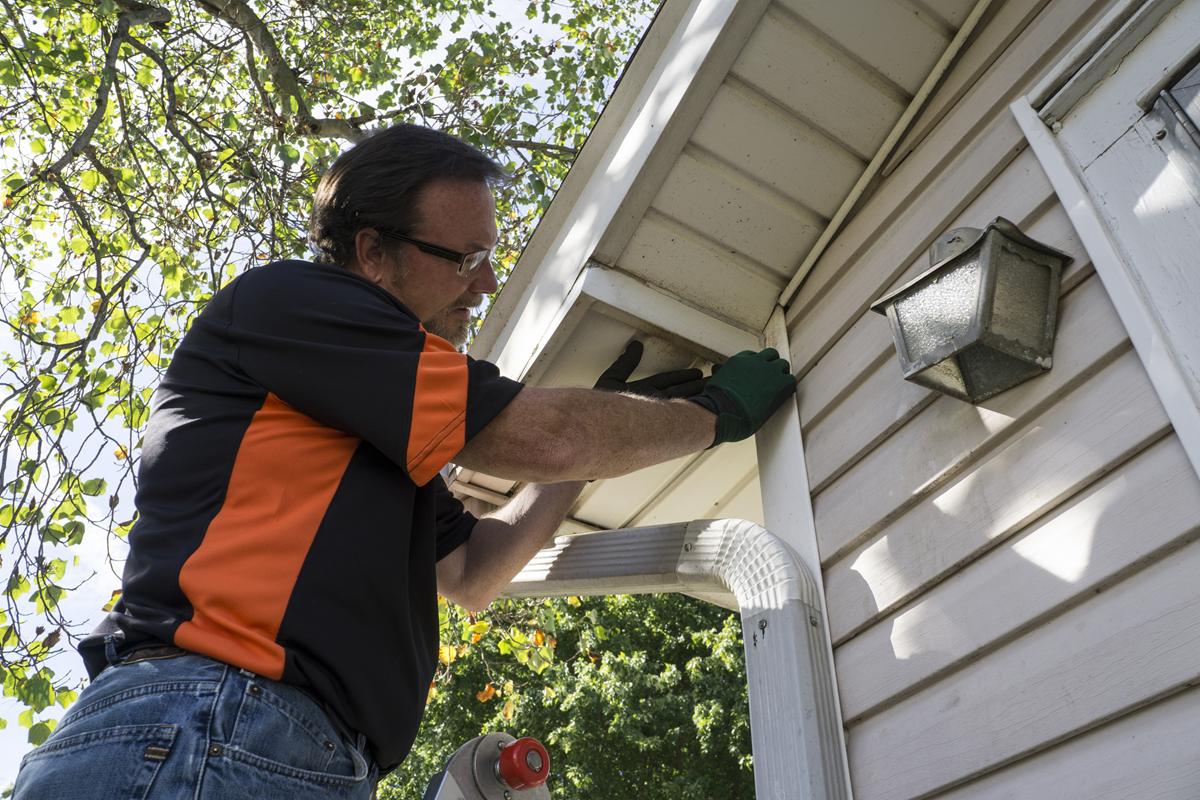
- Soffit and fascia repairs where animals or water have intruded
- Loose starter strips, buckled courses, and nail pops
- Moisture issues from failed flashing or housewrap
- Color and sheen matching for partial replacements
If repairs reveal broader problems, we'll explain clear options so you can decide whether a larger section or full elevation update makes sense. There's no pressure; you'll get straight answers and photos from our assessment.
Local Conditions to Factor In
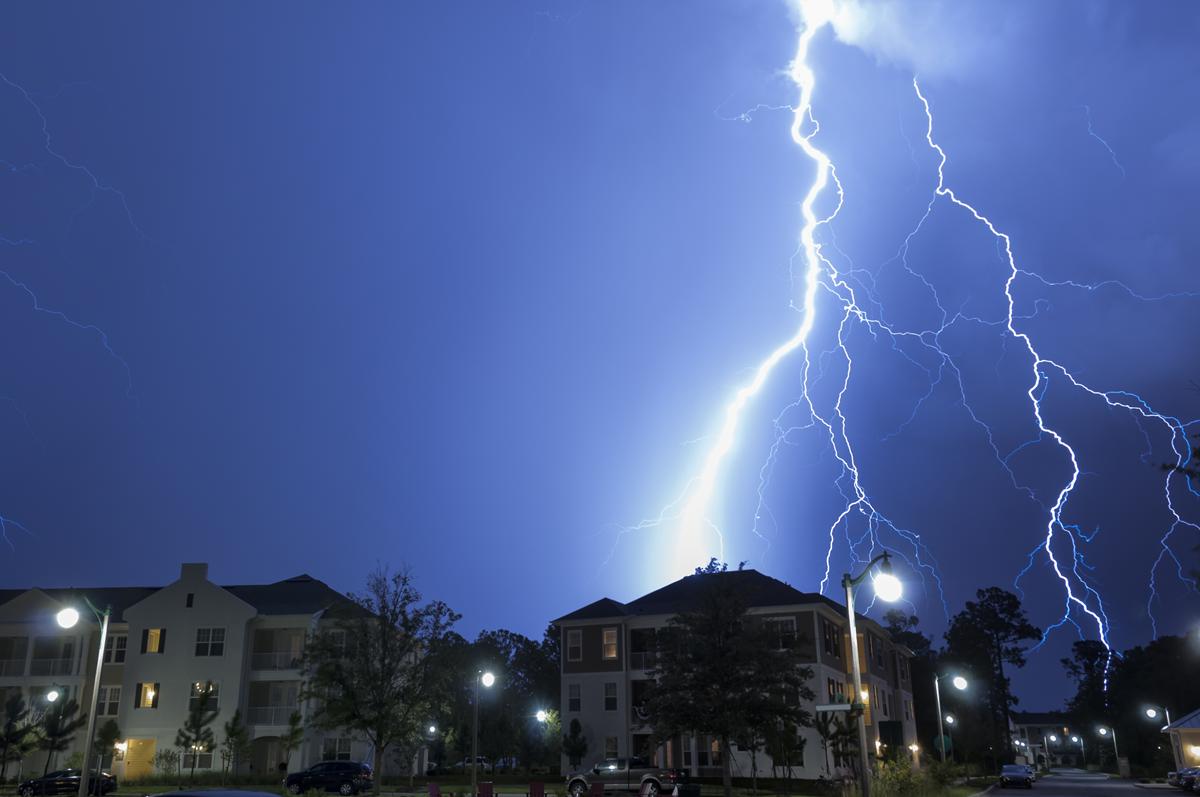
Summers bring heat and humidity, and winters can swing below freezing, which means expansion, contraction, and freeze-thaw stress on fasteners and seams. Thunderstorms can drive rain horizontally, and occasional hail or high winds test panel locks and trim. We build repairs with these realities in mind, selecting materials and methods proven to perform in Central Maryland's changing seasons.
Quick tip for Central Maryland homes: after heavy wind or hail, walk your property and look for creased panels, loose J-channel, or granules piled by downspouts. Snap a few photos and note the date; early documentation can save time and money if you decide to move forward with a repair.