How Our Process Works
- Schedule: Pick a convenient time and tell us what prompted the visit. We'll confirm details and safety access.
- Inspect: We check the roof, flashing, and attic, then capture photos of any concerns and overall condition.
- Report: You'll receive a concise summary with labeled images and prioritized recommendations.
Helpful habits make a big difference between visits. Keep gutters flowing, trim branches that rub the roof, and glance at the attic after heavy rain to spot damp insulation early. If you have a satellite dish or older skylight, note the area for sealant checks during your next service call.
Roof Types and Situations We Handle
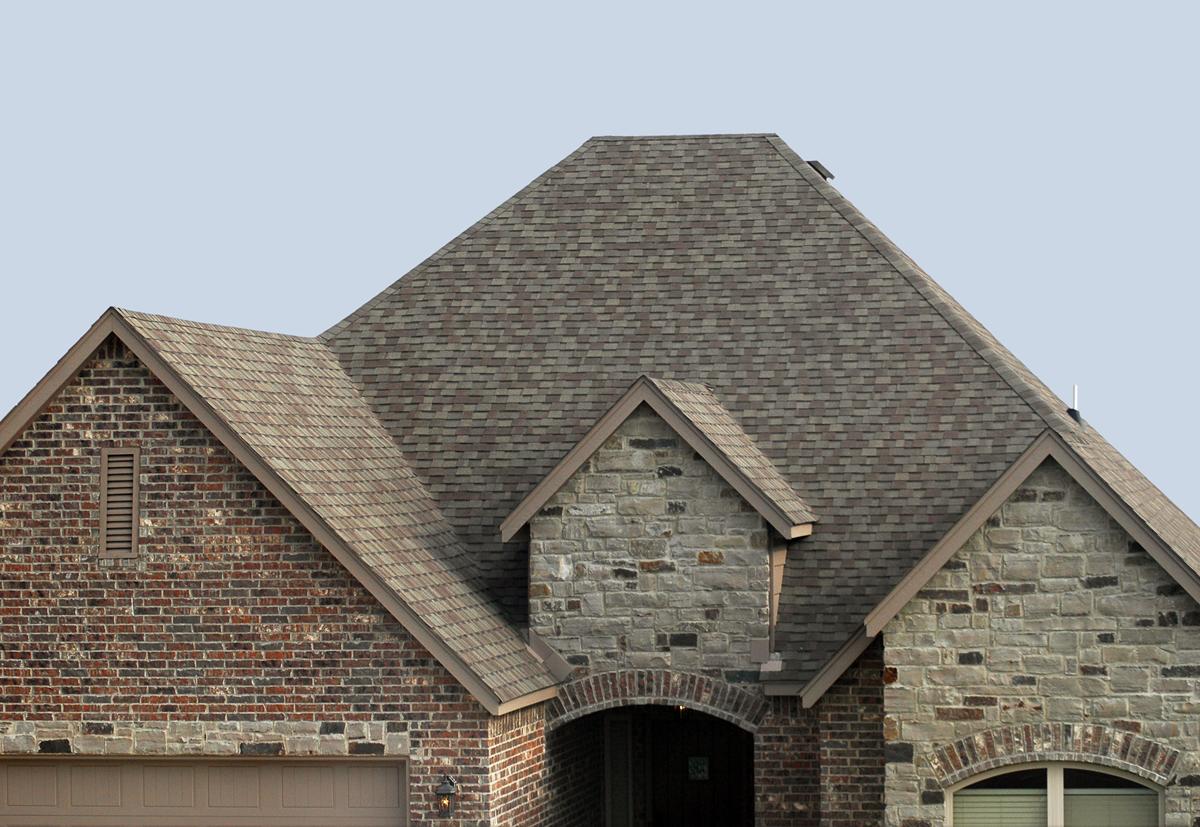
Every roof tells a story. Some have steep pitches and intricate valleys. Others are low-slope sections over additions with special membrane details. Our inspections adapt to the material and design so you get the right callouts and advice.
We regularly assess architectural asphalt roofs, metal panels, and low-slope systems. Complex details like chimneys, dormers, and skylights get extra attention because they're common leak points. If you've added solar, we'll look closely at mounting hardware and wire penetrations to confirm watertight seals and secure flashing.
- Asphalt shingles with aging seal strips or heat blisters
- Metal roofing with loose fasteners, sealant fatigue, or panel movement
- Low-slope membranes with ponding water, seam lifts, or punctures
- Chimney and wall step-flashing checks for hidden gaps
- Skylight curb and lens inspections for crazing, cracks, and failed gaskets
- Gutter-to-roof transitions where overflow can drive water under the edges
- Storm impacts, including lifted shingles, hail strikes, and wind creases
Local Conditions That Affect Your Roof
Roofs in this region handle hot summers, cold snaps, and stormy shoulder seasons. Freeze-thaw cycles can open tiny gaps at flashing and nail holes. Humid stretches invite algae on north-facing slopes, while dense tree cover can slow drying after rain. After wind-driven storms, look for shingle edges that lift or crease and valleys where debris collects.
Our roof inspections in Central Maryland give you a clear picture of roof health, so you can plan repairs wisely and avoid sudden leaks. When we catch trouble early, you stay in control of timing and budget, not the weather.
Local Tip: In Central Maryland, schedule an inspection after the first heavy thunderstorm of the season. Early checks clear out debris, confirm tight flashing, and reduce the chance of mid-summer leaks when rain comes in fast.