
How To Know You Need A New Roof
10 Warning Signs Your Roof May Be Failing
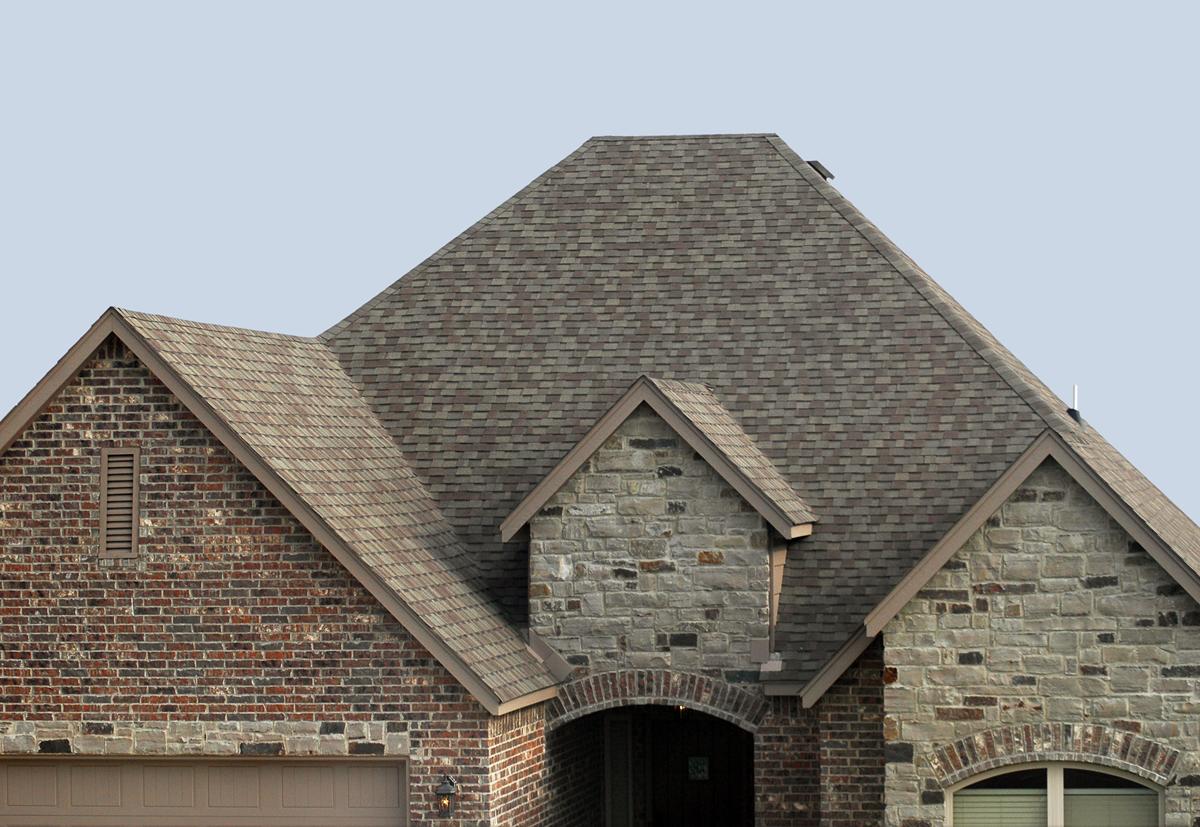
Frederick's weather can be rough on shingles. Summer thunderstorms, sudden wind gusts, and winter freeze and thaw cycles all work your roof hard. If you know the early signals to watch for, you can act before a small problem becomes a major headache. This guide explains the most common signs you need a new roof or focused repairs, with local context for neighborhoods like Baker Park, Worman's Mill, Ballenger Creek, and Spring Ridge. If several signs apply to your home, it may be time to explore roof replacement with a trusted local team.
Below are the ten warning signs we see most often across Frederick and nearby communities. Use them to talk with a professional, set smart priorities, and protect your home's structure.
- Look from the ground after storms; never climb on the roof.
- Check ceilings and attic after heavy rain or snow.
- Note patterns across large areas, not just a shingle or two.
- Keep photos over time to spot changes.
1) Missing or Cracked Shingles
High winds that roll through Downtown Frederick and along the Monocacy can lift shingles and tear them free. When shingles go missing, the waterproof system is exposed. Cracks let water find a path into the layers below, especially during wind-driven rain. Even a few problem areas can spread moisture to the roof deck, insulation, and drywall. A professional should evaluate how widespread the damage is and whether repairs can hold up or if the system is nearing the end of its life.
2) Curled or Cupped Shingle Edges
As asphalt shingles age, the edges may curl or cup. Sun, heat, and inconsistent attic ventilation speed this up. In places like Clover Hill, where roofs bake in afternoon sun, curling often shows up sooner on the south and west slopes. Curled edges catch wind more easily and shed granules faster, which weakens the shingle's protective surface. If this look is consistent across large sections, the roof is likely approaching replacement.
3) Granules Gathering in Gutters or at Downspouts
Those black sand-like bits in your gutters are protective granules that help resist UV rays and fire. Storm bursts common in late summer can wash a surprising amount into your gutters and onto patios and driveways near downspouts. When you see piles of granules, the shingle mat underneath is left exposed and dries out faster. That accelerates cracking and shortens the time before you'll need significant work.
4) Water Stains on Ceilings or Walls Are Warning Signs Your Roof May Be Failing
Brown rings, bubbling paint, or shadowy streaks on ceilings and upper walls point to active moisture. The leak source is not always directly above the stain because water can travel along the framing. In older homes near Baker Park and downtown, plaster ceilings can hide slow leaks for months. Take any new stain seriously. If you spot fresh discoloration after rain or melting snow, call a pro quickly to limit further damage.
Frederick's quick temperature swings can turn a small opening into a larger one fast. Catching problems early often saves the roof deck and interior finishes, which helps you avoid bigger repairs later.
5) Daylight in the Attic or Wet Insulation
If you can see pinpoints of light through the roof boards while you're safely on the attic floor, that's a red flag. Light means air and moisture can move through the system. Wet or compressed insulation is another strong indicator that water is entering. Over time, damp insulation loses R-value, which can raise energy bills and add humidity that encourages mold. A roofer can trace the pathway and confirm whether the roof covering or flashing is to blame.
6) Sagging Roof Deck or Drooping Ridges
Stand back on the sidewalk and look at the ridgeline. It should appear straight and even. Any dip or wave can suggest long-term moisture exposure or structural stress at the deck. This is not a cosmetic issue. Do not ignore areas that look sunken or soft when viewed from ground level. A qualified inspector should evaluate the framing, roof deck, and ventilation to prevent a safety risk.
7) Damaged or Loose Flashing Around Chimneys and Vents
Flashing seals the most leak-prone spots, including chimneys in older Frederick homes and pipe penetrations on newer builds in Worman's Mill. Wind can lift flashing, and caulk can dry out. You might notice staining below a chimney, rust on metal flashing, or shingles slipping near a valley. Because these areas concentrate water flow, small gaps can result in recurring leaks that show up after every rain.
8) Moss, Algae Streaks, or Rotting Roof Boards
Our humid summers allow algae and moss to thrive on shaded roof planes. Dark streaks alone are often cosmetic, but heavy moss traps moisture against the shingles. That moisture can lead to rot in the roof deck over time, especially if ventilation is poor. If you see soft spots at the eaves or notice a musty smell in the attic, the system's health needs careful review by a professional.
9) Storm Damage After High Winds or Hail
Fast-moving cells along I-70 and I-270 can drop hail and drive rain sideways. Hail can bruise shingle mats, making future leaks more likely even if the surface looks intact. Look for splatter marks on siding, dented gutters, or a peppered look on soft metals as clues. If your block took hail or strong gusts, schedule a roof assessment promptly to document any damage. Timely documentation can help you decide the next steps with confidence.
10) A Roof Nearing the End of Its Typical Lifespan
Age is not the only factor, but it matters. Many asphalt shingle roofs perform well for a couple of decades under normal conditions. Heavy tree cover, frequent storms, or poor attic ventilation can shorten that window. If your home in Ballenger Creek or Spring Ridge has a roof that's getting older and you also notice several other symptoms here, it's wise to plan and review your options with a contractor you trust.
Bringing you the best exterior services
Our Exterior Restoration Services
Siding Services
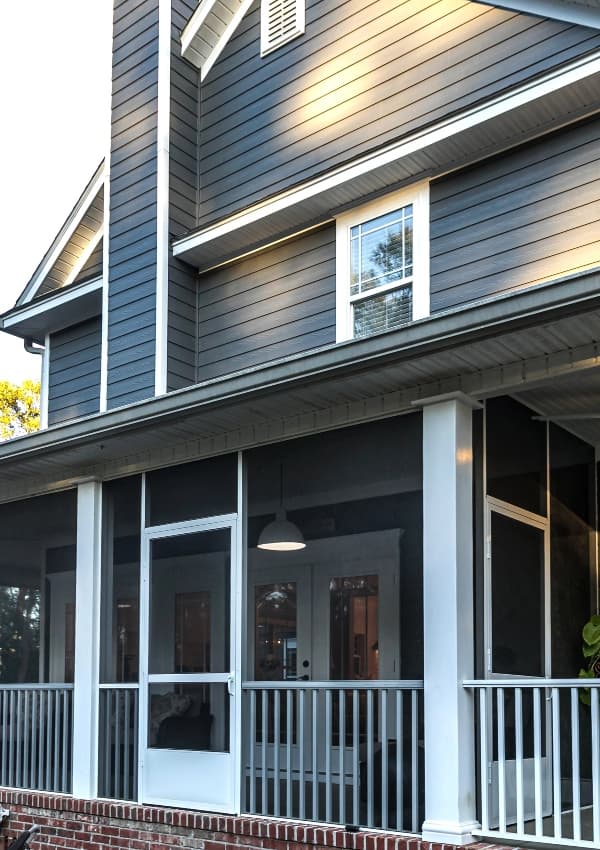
Damaged siding can leave your home vulnerable to moisture intrusion, higher energy costs, and structural deterioration if left unaddressed. Our team carefully evaluates every exterior to determine whether repairs are the right solution or if replacement would provide greater long-term value. We work with durable products from respected manufacturers and focus on repairs that blend seamlessly with your home's existing appearance whenever possible. Every project begins with an honest assessment, allowing you to make informed decisions without unnecessary pressure. If storm damage is involved, we can also assist throughout the insurance restoration process to help simplify your experience.
Roofing Services
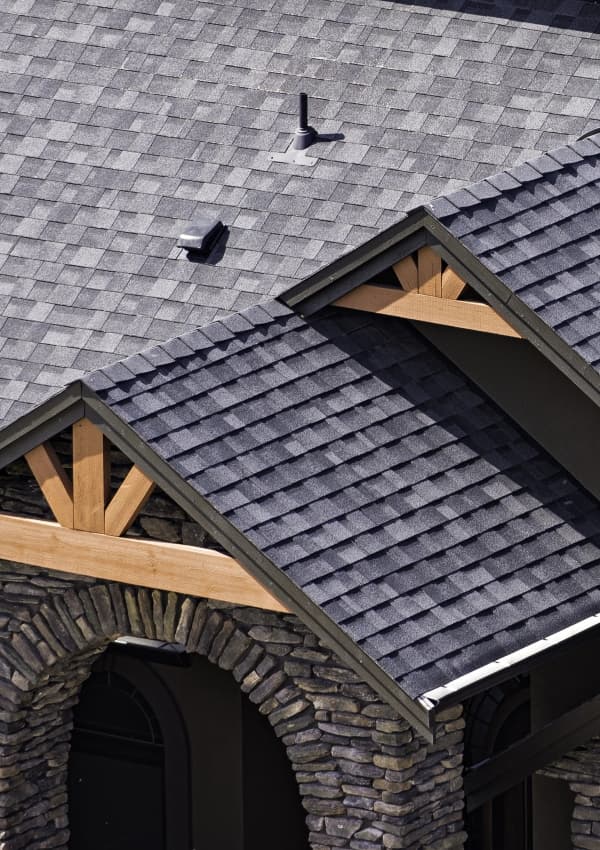
Your roof serves as your home's first line of defense against Maryland's changing weather, making quality installation and timely repairs essential. Whether you need maintenance, repairs, or a complete replacement, Oak & Iron Exteriors works with a variety of roofing systems, including asphalt, architectural shingles, metal, tile, flat roofing, TPO, and stone-coated steel. We partner with trusted manufacturers to provide dependable products that deliver lasting performance and protection. Every roofing project is completed with close attention to craftsmanship, communication, and long-term durability. Our goal is to restore confidence in your home's exterior while providing an experience built on transparency and integrity.
Window Repair
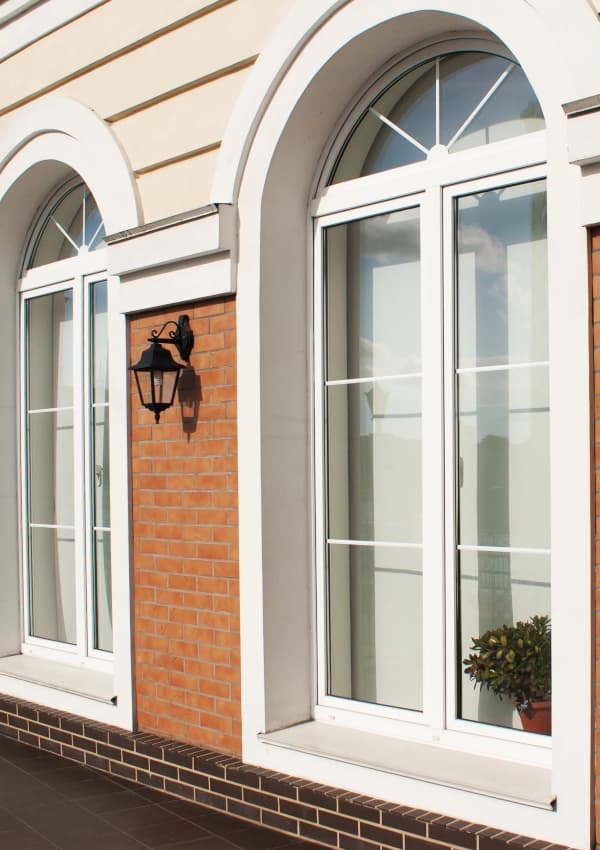
Windows play an important role in protecting your home from the elements while improving comfort, energy efficiency, and overall appearance. If you have damaged frames, broken glass, drafts, or windows that no longer operate properly, our team can evaluate the problem and recommend practical solutions. We focus on repairs that improve performance while helping extend the life of your existing windows whenever appropriate. When replacement becomes the better investment, we provide straightforward recommendations based on your home's needs instead of sales quotas. Throughout every project, you'll receive clear communication and workmanship designed to stand the test of time.
Gutter Repair
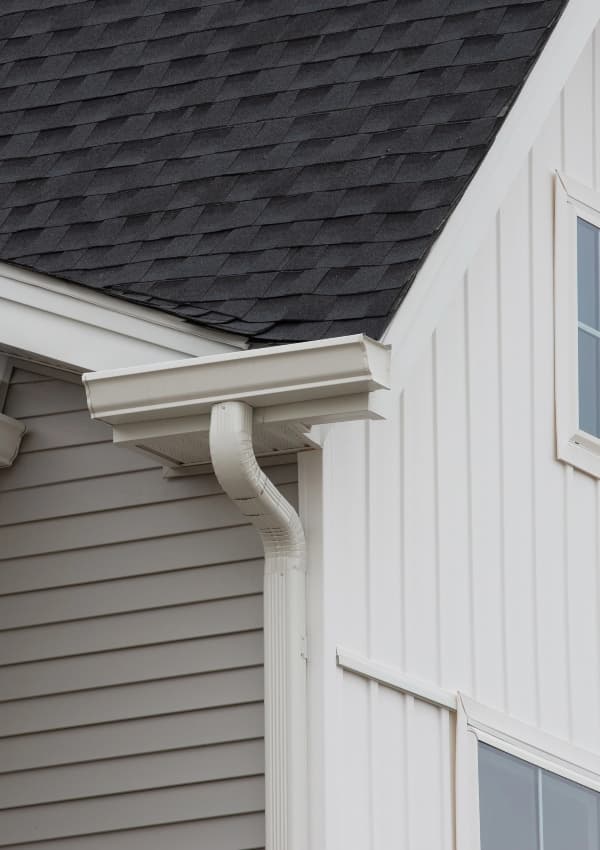
A properly functioning gutter system helps direct water away from your roof, siding, foundation, and landscaping. Even small issues such as loose sections, leaks, or damaged downspouts can eventually lead to larger problems if ignored. Our team provides professional gutter repairs that restore proper drainage while helping protect the rest of your exterior from unnecessary water damage. We take the time to identify the underlying cause of the problem so repairs address more than just the visible symptoms. Whether your gutters have been damaged by age, severe weather, or heavy debris, we'll help restore reliable performance and protect your home for the future.
How These Signs Add Up
One warning sign doesn't always mean failure. But several together, especially when spread across wide areas, often point to underlying issues with the roofing system. That system includes shingles, underlayment, flashing, ventilation, and the roof deck. A thorough inspection weighs all of these parts so you can make a clear plan that protects your home and budget.
- Multiple cracked or missing shingles in different areas suggest system aging.
- Granules in gutters plus curling edges indicate UV wear and reduced protection.
- Stains below a chimney or at a ceiling corner often trace back to failing flashing.
- Daylight in the attic, wet insulation, and a sagging plane point to structural concerns that need prompt attention.
Local Factors that Speed Up Roof Wear
Local climate and surroundings influence how fast a roof ages. In wooded parts of Clover Hill, falling branches and constant shade keep roof surfaces damp longer. In open developments along the highway, higher winds can lift aging shingles more easily. Winter thaw cycles push water into tiny gaps, and summer heat bakes unshaded slopes. Good attic ventilation and a balanced roof design help manage these forces over time.
When to Call A Roofing Professional
Call when you see active leaks, spreading stains, or safety concerns like sagging. It's also smart to call after major wind or hail in your part of Frederick. Scheduling a no-pressure roof inspection with Oak & Iron Exteriors gives you clear information without sales pressure, so you can decide what's right for your home. If replacement is the best path, a licensed team can explain materials, colors, and timelines that fit your goals and neighborhood style.
What to Expect From A No-Pressure Assessment
During an assessment, a pro examines the roof surface, flashing, attic ventilation, and the roof deck where accessible. Photos document conditions so you can see exactly what's happening. If the roof can be stabilized with targeted work, you'll hear that. If the symptoms point to a failing system, you'll get a straightforward plan and timeline for next steps with clean, easy-to-understand recommendations.
Your Next Step
You don't have to navigate roof decisions alone. Oak & Iron Exteriors serves homeowners throughout Frederick with honest assessments backed by workmanship that's built to last. Think you're seeing warning signs that your roof may be failing? Call us at 301-798-5748 to schedule a friendly, no-pressure visit. If you prefer to read more about options first, you can connect with our local roofing contractors for clear guidance that fits your home and timeline.
Whether you live near Downtown Frederick's historic streets or in newer communities around Worman's Mill, a healthy roof protects everything inside. Address the symptoms early so your home is ready for the next storm and the next season.

How Can We Help?
Get a Free Exterior Assessment by Our Siding & Roofing Contractors Today!
Our commitment to precision and quality is built around your project’s success. Driving meaningful progress from start to finish.