
How New Siding Improves Energy Efficiency
How New Siding Improves Energy Efficiency
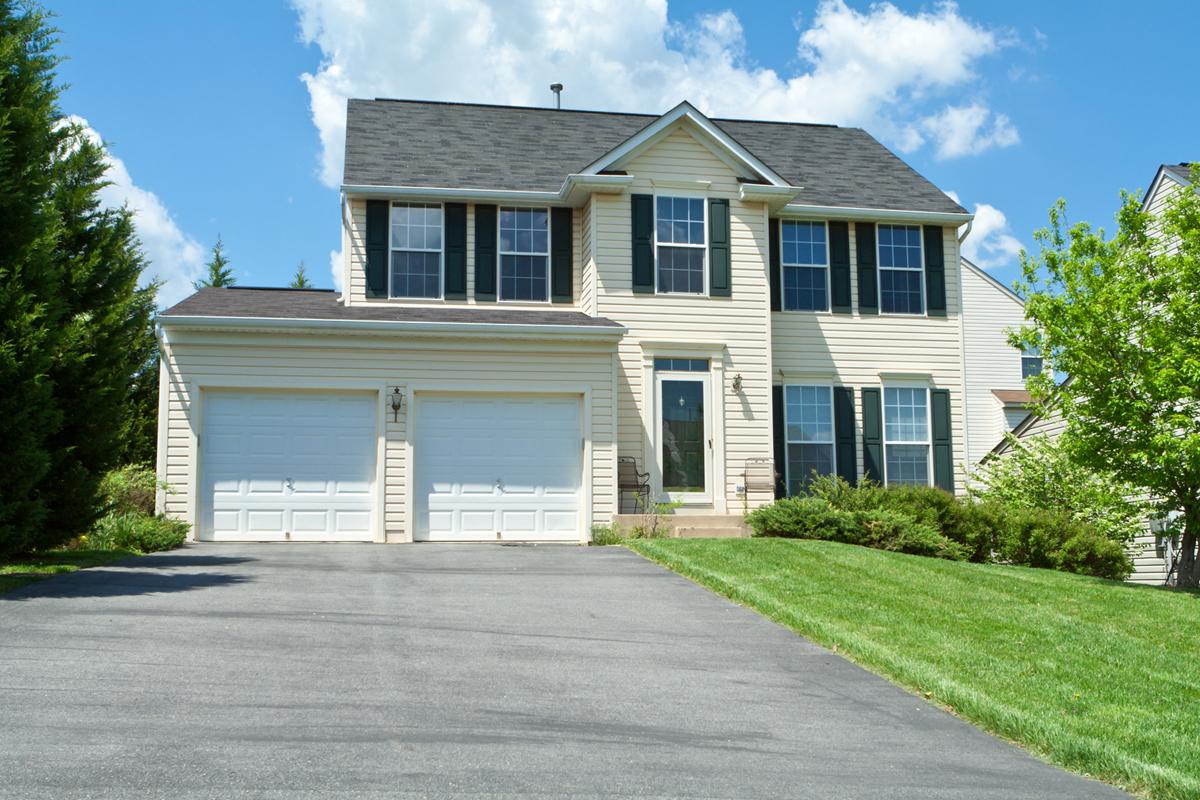
If your energy bills keep creeping up or your rooms feel drafty, your siding may be part of the problem. Modern siding systems do more than refresh curb appeal. When installed as a complete wall assembly with housewrap, flashings, and insulation, new siding can help control heat flow and air leaks. That means steadier temperatures, less strain on your HVAC, and a more comfortable home. If you're comparing options, start with proven materials and quality siding installation so the whole wall works together.
Frederick's weather swings from humid summers to chilly winters, with freeze-thaw cycles that can open gaps and let conditioned air escape. Upgrading siding is a practical way to tighten your home's shell. You won't see the insulation behind the boards, but you'll feel the difference on windy days in Baker Park or during a July heat wave in Ballenger Creek.
Why Siding Matters for Energy Efficiency
Your home loses and gains heat through three main paths: conduction, convection, and radiation. Old or damaged siding can make all three worse. Tiny cracks and warped panels let outside air move through walls. That moving air carries heat with it, which can overpower insulation inside the stud cavities. Strong summer sun can also heat wall surfaces, driving that heat indoors if the outer layer isn't doing its job.
New siding systems reduce those losses by adding a continuous outer layer, improving the seal at joints, and directing water away from the wall. Think of it like a windbreaker over a sweater. The sweater is your cavity insulation. The windbreaker is your siding, underlayment, and housewrap working together to stop drafts and moisture that make insulation less effective.
Materials That Make A Difference
Several siding types can support energy goals when paired with the right underlayment and details. The best choice depends on the look you want, your budget, and how your home is built.
- Insulated Vinyl: Vinyl with a rigid foam backer helps reduce thermal bridging over studs and keeps panels snug so gaps are less likely to open in winter winds.
- Fiber Cement: Dense and stable, it resists warping in temperature swings. When installed over a rainscreen or foam sheathing, it helps manage moisture and heat transfer.
- Engineered Wood: Offers a warm, wood-like look with modern moisture resistance. Pair it with taped foam sheathing and quality housewrap for a tighter wall.
- Traditional Vinyl: Cost-effective and durable. Combine with a continuous insulated sheathing to improve thermal performance without changing the exterior style you love.
In Frederick's climate, the smartest upgrades focus on a "layered" wall. That usually means housewrap to control air and bulk water, sealed seams, flashing at windows and doors, and continuous insulation outside the studs. Each layer does a job. When those jobs overlap, you get steadier indoor temperatures without cranking the thermostat.
How New Siding Lowers Energy Bills
Homeowners often ask, "Does new siding reduce energy bills?" While results vary by home size, materials, and existing conditions, the path to savings is straightforward. First, air leaks are reduced. Taped seams, snug panels, and careful trim details cut off the drafts that carry away heated or cooled air. Second, continuous exterior insulation helps your walls keep heat where you want it. Third, moisture control keeps insulation dry so it can perform as intended, even during those damp stretches we see around Carroll Creek and Spring Ridge.
These improvements work year-round. In January, less heat slips out through leaky walls. In July, the sun's heat doesn't push indoors as easily. Your HVAC can cycle less often, which usually means more consistent comfort and potential reductions in energy use over time.
Insulation, Housewrap, and Underlayment Work Together
During a siding replacement, your crew can add elements that boost performance without changing your home's style. Common upgrades include:
- High-quality housewrap with taped seams to reduce air infiltration.
- Rigid foam or insulated backer that adds continuous insulation across studs.
- Flashing and drainage details around windows and doors so water sheds quickly.
Moisture management is as important as R-value. If wind-driven rain finds a way in, it can reduce insulation effectiveness and lead to repairs later. Correct lap, flashing at penetrations, and a well-detailed weather-resistive barrier help your walls breathe while keeping water out.
Pro tip: In Frederick, scheduling exterior projects for spring or early fall often means milder temperatures for adhesives and sealants to cure. That can help your installation go smoothly and reduce weather delays that push projects into extreme heat or cold.
Bringing you the best exterior services
Our Exterior Restoration Services
Siding Services
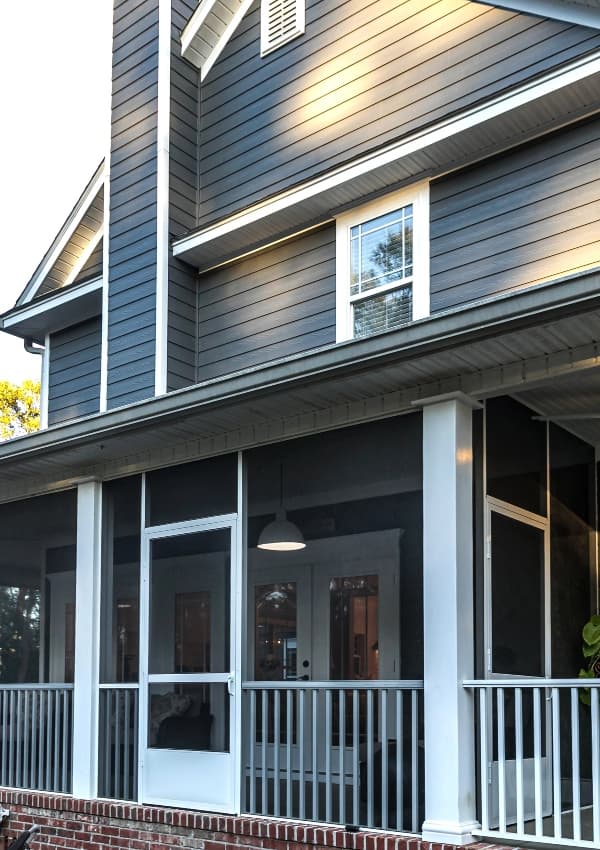
Damaged siding can leave your home vulnerable to moisture intrusion, higher energy costs, and structural deterioration if left unaddressed. Our team carefully evaluates every exterior to determine whether repairs are the right solution or if replacement would provide greater long-term value. We work with durable products from respected manufacturers and focus on repairs that blend seamlessly with your home's existing appearance whenever possible. Every project begins with an honest assessment, allowing you to make informed decisions without unnecessary pressure. If storm damage is involved, we can also assist throughout the insurance restoration process to help simplify your experience.
Roofing Services
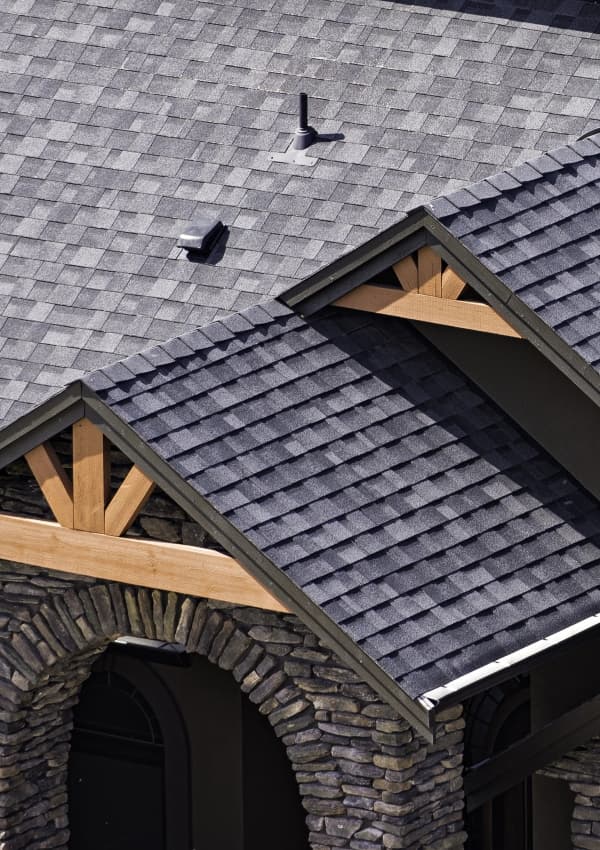
Your roof serves as your home's first line of defense against Maryland's changing weather, making quality installation and timely repairs essential. Whether you need maintenance, repairs, or a complete replacement, Oak & Iron Exteriors works with a variety of roofing systems, including asphalt, architectural shingles, metal, tile, flat roofing, TPO, and stone-coated steel. We partner with trusted manufacturers to provide dependable products that deliver lasting performance and protection. Every roofing project is completed with close attention to craftsmanship, communication, and long-term durability. Our goal is to restore confidence in your home's exterior while providing an experience built on transparency and integrity.
Window Repair
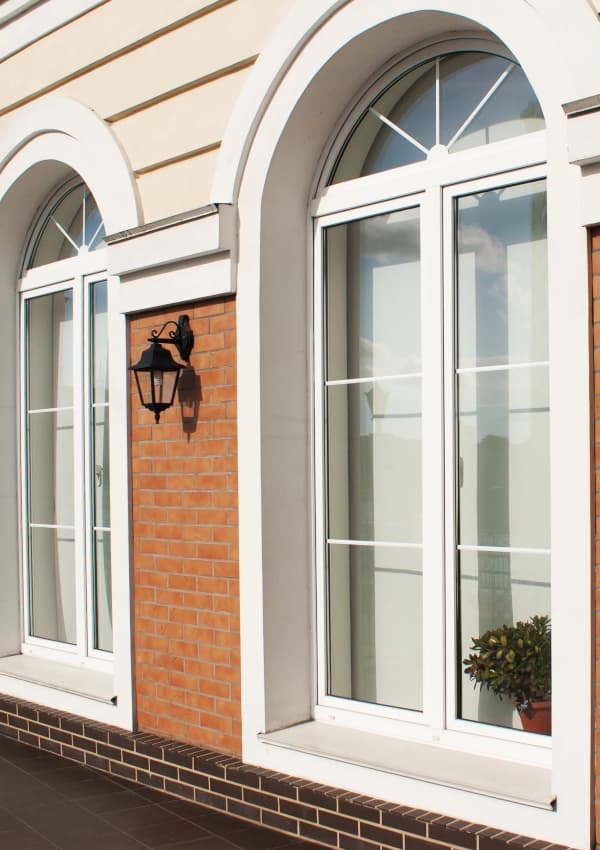
Windows play an important role in protecting your home from the elements while improving comfort, energy efficiency, and overall appearance. If you have damaged frames, broken glass, drafts, or windows that no longer operate properly, our team can evaluate the problem and recommend practical solutions. We focus on repairs that improve performance while helping extend the life of your existing windows whenever appropriate. When replacement becomes the better investment, we provide straightforward recommendations based on your home's needs instead of sales quotas. Throughout every project, you'll receive clear communication and workmanship designed to stand the test of time.
Gutter Repair
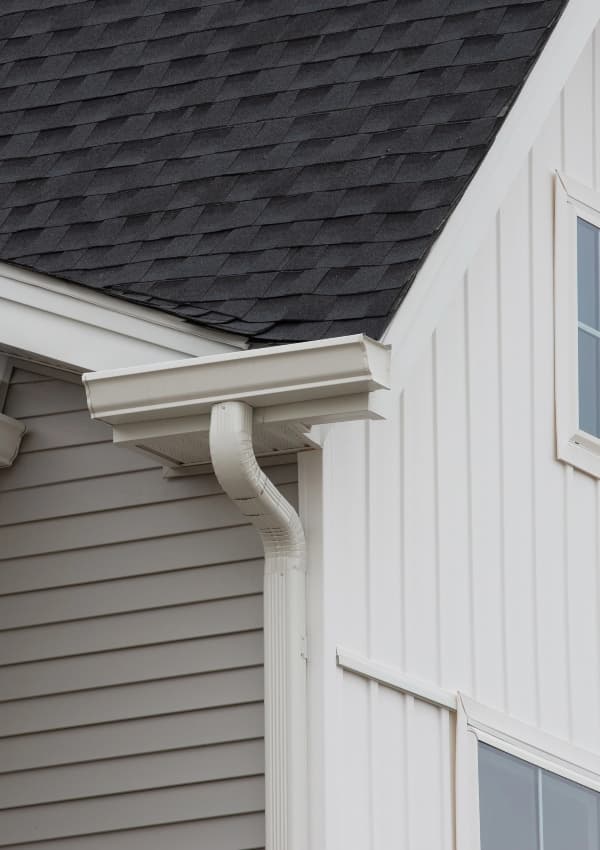
A properly functioning gutter system helps direct water away from your roof, siding, foundation, and landscaping. Even small issues such as loose sections, leaks, or damaged downspouts can eventually lead to larger problems if ignored. Our team provides professional gutter repairs that restore proper drainage while helping protect the rest of your exterior from unnecessary water damage. We take the time to identify the underlying cause of the problem so repairs address more than just the visible symptoms. Whether your gutters have been damaged by age, severe weather, or heavy debris, we'll help restore reliable performance and protect your home for the future.
Signs Your Siding is Hurting Efficiency
You don't need lab equipment to spot problems. Walk around your home and look for:
- Warped, cracked, or loose panels that move in the wind.
- Peeling caulk at trim joints, light visible at seams, or gaps at outlets.
- Faded or brittle boards on the south and west sides, where the sun hits hardest.
- Rooms that are hot in summer and cold in winter, even after HVAC tune-ups.
- Musty smells or paint that bubbles indoors can signal moisture in the wall.
If you notice several of these, a siding assessment can show where air and moisture are getting in. In many Frederick neighborhoods, older homes were built before today's air sealing standards. Upgrading siding and the layers beneath it is a practical way to bring those walls up to modern expectations.
Local Weather Factors to Consider in Frederick
Our area sees humid summers, occasional strong thunderstorms, and winter cold snaps. That mix stresses exterior joints. Vinyl that is too loose can rattle, creating leaks. Panels that are too tight can buckle in the heat. Fiber cement and engineered wood handle temperature swings well, but they still need correct clearances and sealants to keep water from sneaking behind the boards. Details at the bottom of walls, at deck ledgers, and near hose bibs are common weak points.
Homes near open fields or hilltops around Tuscarora and Urbana can catch stronger winds. That means nailing patterns and starter strips must be right. Small mistakes at edges and seams can undo the benefit of premium materials. Choose a crew that treats the wall as a system rather than just a surface.
Installation Quality Drives Results
Even the best siding can underperform if the installation cuts corners. Look for a process that starts with a careful inspection and ends with a clean punch list. Your installer should protect landscaping, remove damaged materials down to sound sheathing, and repair any soft spots before new layers go on. Housewrap seams need to be lapped and taped in the correct direction, flashings must integrate with the wrap, and trim should be sealed to block wind at joints.
Ask how the team manages penetrations like light fixtures and vents. These are common air leak paths. Window head flashings and kick-out flashings at roof-to-wall joints are also key. If your home backs to open space or sees frequent sun on one side, your crew can adjust material choice and detailing to match those conditions.
Replacement Siding Benefits Beyond Energy
Comfort and lower energy use are big wins, but replacement siding offers more. New color and profile options can update a façade without changing your home's character. Many products today resist fading and require simple upkeep, which helps protect the investment. Better sound control is another plus, especially near busy roads like I-70 or Route 15. When your walls stay drier and tighter, you also reduce the chance of hidden repairs down the road.
Choosing Energy Efficient Siding: A Simple Framework
Start with your goals. If comfort and quiet are top priorities, an insulated backer and denser cladding may fit. If you want the most budget-friendly path to better performance, consider traditional vinyl installed over continuous foam with careful air sealing. If you plan to replace windows soon, ask your installer to phase the work so flashings and trims mesh perfectly.
Next, match materials to exposure. Shaded sides may not need the same solar resistance as the west wall that bakes in August. Areas that catch wind need secure attachment and snug joints. Finally, confirm the details in writing. That includes housewrap brand, seam taping, foam thickness if used, and flashing approach at doors and windows.
If you're already working with a local roofing contractor about ventilation or gutters, it can help to coordinate siding at the same time. A single plan for roofs, walls, and drainage gives you a tighter exterior and a cleaner finish at roof-to-wall transitions.
What to Expect During A Professional Siding Project
A typical project begins with a walkthrough to note problem areas. Crews set protection, remove old materials, and address any damaged sheathing. Then come the performance layers: housewrap, tapes, flashings, and any continuous insulation. Siding and trim follow, with attention to clean cuts, correct clearances, and straight lines that look good from the street. Final steps include sealant at critical joints and a tidy site cleanup.
Communication matters. Ask for daily updates, photos of what's behind your old siding, and a final inspection. You'll understand exactly how your new wall was built to keep Frederick's weather on the outside where it belongs.
Getting Started
Whether you live near Downtown Frederick, Spring Ridge, or north of the river, a quick assessment can show how much your walls could improve. Our team at Oak & Iron Exteriors treats siding as a system, not just a surface. We focus on the layers you can't see so your home stays comfortable through muggy Julys and brisk January mornings.
Ready to improve home energy efficiency with new siding in Frederick, MD? Call 301-798-5748 to schedule a no-pressure consultation with Oak & Iron Exteriors.
How Can We Help?
Get a Free Exterior Assessment by Our Siding & Roofing Contractors Today!
Our commitment to precision and quality is built around your project’s success. Driving meaningful progress from start to finish.